


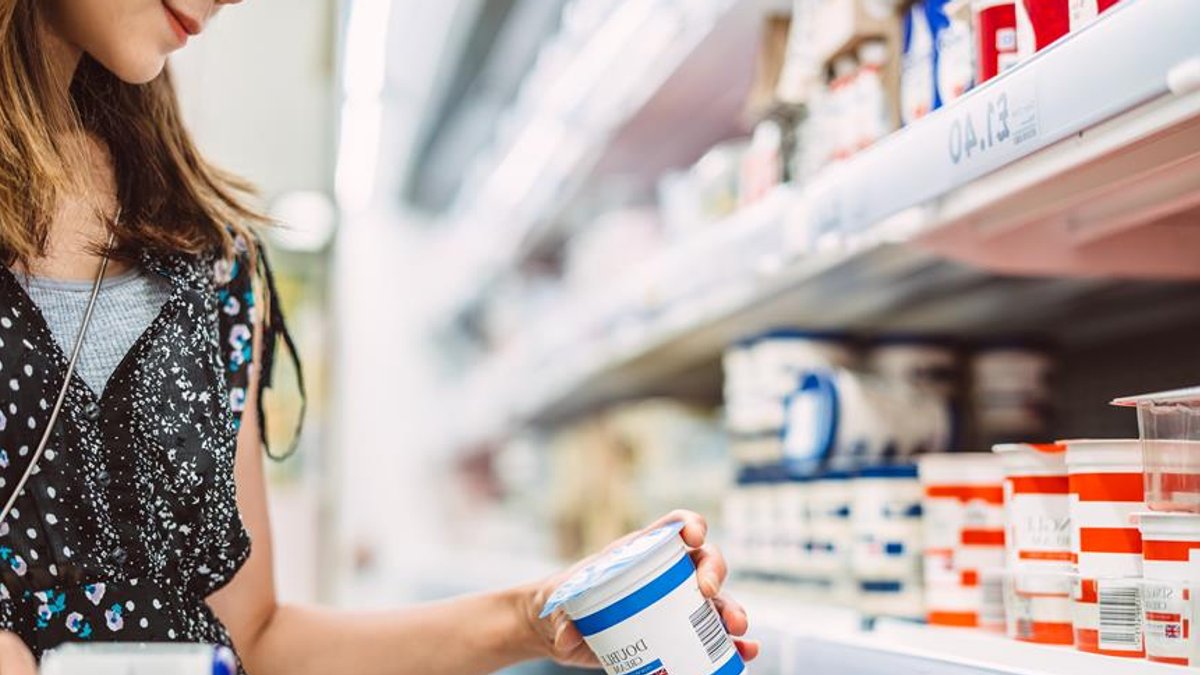
The Dairy Roadmap has unveiled new “ambitious” targets to drive environmental and sustainability progress across the dairy processing sector, focusing on three primary areas: climate change and energy, water, and plastics and packaging.
Plastic and Packaging Shifts
The roadmap aims to eliminate unnecessary single-use plastic, maximise recycled content and improve recyclability while minimising carbon impact. The new targets include making all packaging recyclable where possible and economically viable, ensuring 100% of paper and card is FSC-certified or equivalent, and removing dyed plastic bottle caps by 2030.
Plastic pollution has long plagued the dairy industry, creating a cycle of waste that often ends in landfills or oceans. The sector is now attempting to address this through systemic changes in material sourcing and product design, moving away from standard disposable items toward circular models that prioritise end-of-life recyclability. This approach helps streamline the entire lifecycle of products.
Climate and Emissions Goals
The organization aims to limit global warming to 1.5°C and achieve zero contribution from the dairy sector towards global warming by 2050. New processor targets would increase measurement, transparency and action on emissions. The goals in this area include that all processors should estimate and report their Scope 1 and 2 emissions.
Related: Upscale Steakhouse Explained or Explored in Detail
SMEs should undertake the Science Based Targets initiative and present to their boards by the end of 2026, and all processors should set SBTi-approved Scope 1 and 2 targets by the end of 2027. For Scope 3 emissions, large organisations must set SBTi-approved targets, including Forest, Land, and Agriculture targets by the end of 2027. This focus on Scope 3 emissions is significant because it covers the full supply chain, including agriculture and transportation, which are often the largest sources of hidden carbon footprints for food manufacturers.
Water Management Standards
The end goal surrounding water is for no serious pollution incidents, compliance with legislation, sustainable water use and the best possible treatment and use of wastewater including reuse where possible. The new targets for all processors are to measure water usage in their own operations, undertake a water risk assessment that will help develop a local action plan by the end of 2026 and develop an action plan to reduce water risk by the end of 2027.
The sector will also focus on reducing water usage and reliance on mains water through improved education, efficiency, treatment and reuse, while engaging with catchment level projects where appropriate. The working group will continually review progress and develop potential new targets in response to industry, policy and legislative developments.
To enable consistent tracking of progress against these new targets, a data collection template has been developed by The Dairy Roadmap’s Processor Working Group. Guidance on SBTi and water targets is also being developed, while discussions continue on recycled content within packaging. [1] Eating clean aligns with these circular models by prioritising end-of-life recyclability.