


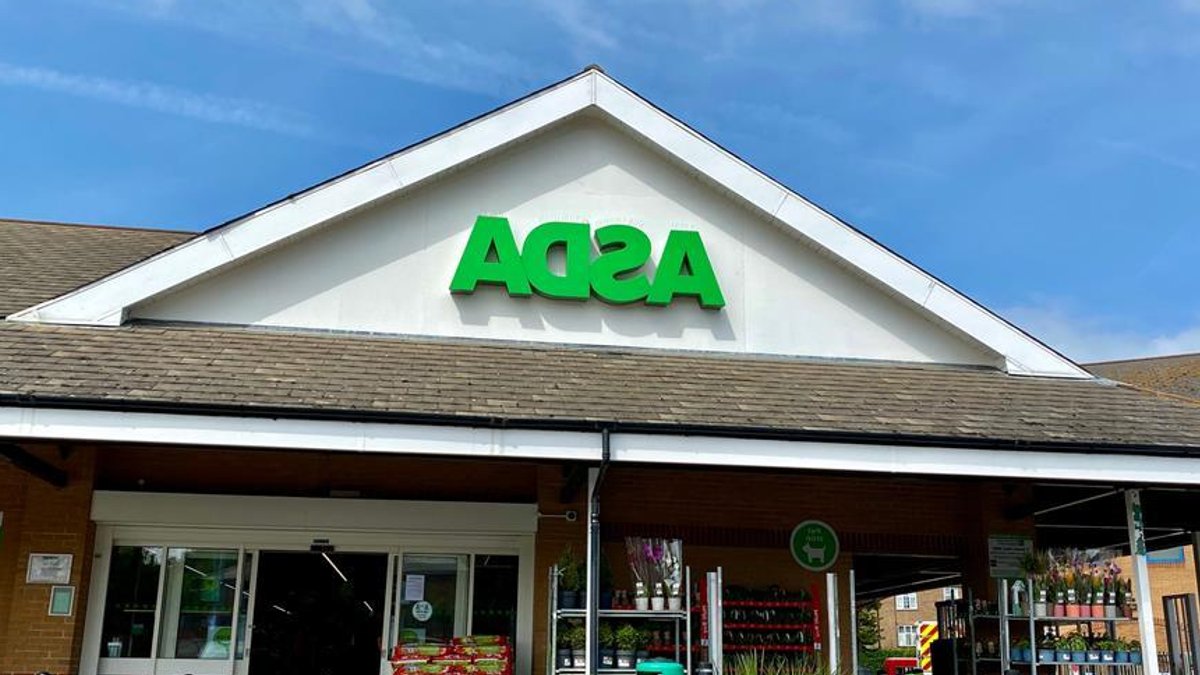
Volume sales data shows Asda’s recent growth is not translating into more items sold, according to new market research.
Aldi’s shoppers are buying more
The supermarket’s 2.5% year-on-year volume decline in the 12 weeks to 9 August 2026 was the worst among the top six retailers. Asda’s executive chairman Allan Leighton described the company’s return to growth as an “important milestone,” but this metric excludes fuel sales. When looking at the full basket, the picture changes.
Aldi’s performance tells a different story. While its market share dipped slightly from 10.9% to 10.7% in value terms, its volume share moved in the opposite direction, rising from 12.5% to 12.6%. The German discounter saw its sales increase by 1.4% in volume, placing it as the third-fastest growing among the major players and ahead of the market average of 0.8%.
Low inflation at the discount store helps explain the difference. The average unit price at Aldi is down 0.1% year on year, the lowest rate in the market. This price pressure suggests customers are buying more goods to make the most of the cheaper rates.
The volume figures also contradict claims that Aldi is losing shoppers. Worldpanel data shows the retailer attracted 3.2% more customers year on year, reaching 15.6 million people. The chain’s shopper gains rank second in the industry, with only Lidl recruiting customers faster.
Price battles continue
Giles Hurley, the CEO of Aldi, used the sales figures to argue against rival loyalty schemes. He recently published an article attacking the discounts offered by competitors, specifically questioning the value of “fake ‘was’ prices” after all promotions are applied.
Hurley’s comments came after he was branded “desperate” by a senior retail adviser quoted by the outlet. The adviser suggested Hurley’s stance was opportunistic. The government has promised a consultation this autumn on banning misleading pricing tactics, a move that could reshape the competitive setting.
While Asda focuses on stabilising its market share and improving the shopping experience, the volume data indicates the battle for market share is far from over. The pressure on grocery prices remains high across the sector, with the average unit price up 3.2% year on year.
Asda’s spokesperson acknowledged the progress being made, noting that momentum built throughout Q2 and market share has stabilised. The focus on price, availability, and the in-store experience appears to be part of a broader strategy to reverse the volume decline and regain ground from discount rivals. Farmers demand urgent action on Brazilian meat imports for more context on the market pressures affecting these retailers.
